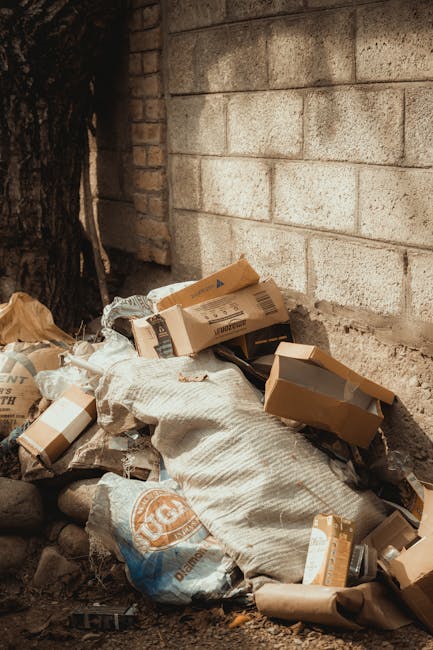
Rubbish clearance tips for Wood Green High Road properties

If you own, manage, rent, or are renovating a property on Wood Green High Road, rubbish clearance can become one of those jobs that looks small on Monday and somehow takes over the week by Friday. Flats, shopfronts, mixed-use buildings, rear access alleys, tight pavements, and busy traffic all add a bit of friction. That is exactly why the right rubbish clearance tips for Wood Green High Road properties matter: they help you clear space faster, avoid avoidable hassle, and choose the cleanest route for the waste you have.
In this guide, you will find practical advice for planning a clearance, choosing the right method, handling awkward items, and keeping things safe and efficient. We will also cover local realities, like access constraints, permits, and which service type tends to suit which job. Nothing fancy, just the sort of advice that saves time and a few headaches.
Why Rubbish clearance tips for Wood Green High Road properties Matters
Wood Green High Road is not the sort of place where waste can be handled casually. Properties here often deal with narrow access, shared entrances, limited loading space, and neighbours who quite rightly do not want bins, bags, or broken furniture hanging around for days. A tidy, well-planned clearance is not just nicer to look at; it is usually safer, quicker, and cheaper in the long run.
There is also the everyday reality of mixed property use. One building may have a shop on the ground floor, flats above, and a shared yard out back. Another may be a family home with a loft full of old boxes, a garden shed, and a fridge that has seen better days. Different waste streams need different handling, and sorting that out early saves a lot of back-and-forth.
Truth be told, most clearance problems start before the first bag is lifted. People underestimate volume, forget about restricted items, or leave the access plan until the van arrives. If you are planning a larger job, it is worth understanding your options first, whether that means domestic skip hire for a home clear-out or a more hands-on rubbish removal service for items that need lifting and loading.
Expert summary: the best rubbish clearance on Wood Green High Road is rarely the fastest-looking option on paper; it is the option that fits access, waste type, timing, and neighbouring properties without drama.
How Rubbish clearance tips for Wood Green High Road properties Works
The process is simpler when broken into steps. First, identify what needs to go. Then separate the waste into sensible groups: general household rubbish, bulky items, construction debris, garden waste, confidential paper, electricals, and anything potentially hazardous. After that, decide whether you need a skip, a wait-and-load arrangement, a man-and-van collection, or something more specialised.
For properties on a busy high road, access is usually the deciding factor. If there is room for a skip and it can be placed legally and safely, skip hire can be the most efficient option. If there is no room to leave a container, or if the waste needs to be loaded quickly and moved on, wait and load skip hire may be a better fit. And if the items are awkward, heavy, or mixed, a team-led collection through man and van can keep things moving without you doing all the lifting yourself.
The key is to match the method to the property, not the other way around. That sounds obvious. Yet it is the bit people miss.
For example, a small flat above a shop may produce only a few bulky items, but those items can still be awkward to carry down stairs and through a shared doorway. In that case, a straight skip might be overkill, while a direct collection or even same day skip hire could make sense if the job is urgent.
Key Benefits and Practical Advantages
Good rubbish clearance does more than remove clutter. It creates room to work, helps a property feel looked after, and reduces the chance of trips, blocked exits, or bad smells building up. That matters whether you are refreshing a rental flat, clearing out an office unit, or getting a family house ready for sale.
- Cleaner access: fewer bags and broken items blocking hallways, gardens, or loading areas.
- Better time control: you can clear a property in one organised push instead of dragging it out over several days.
- Safer handling: bulky or sharp items are less likely to cause injuries when planned properly.
- Improved recycling: separating materials early usually makes reuse and recycling easier.
- Less neighbour friction: on a busy street, tidy loading and prompt removal make a real difference.
There is also a trust angle here. If a property is being sold, let, or handed over, a well-cleared space looks more professional. Little things count. A hallway with no leftover plaster sacks or a garden free of old timber changes how a place feels straight away.
If recycling is important to you, it is worth looking at providers that emphasise waste recycling services and sensible sorting. Not every item can be recycled, of course, but a better workflow generally improves the outcome.
Who This Is For and When It Makes Sense
This guide is useful for several types of property owners and occupiers. Homeowners often need it after decorating, moving, or dealing with years of attic build-up. Landlords and letting agents need fast turnarounds between tenancies. Shop owners may need regular clearances for packaging, display waste, or stockroom clutter. Builders and tradespeople use it for renovation or strip-out work. And office managers? They tend to discover how much old furniture and paper a business has accumulated once a move is underway. Bit of a shock, really.
Here are some common situations where a planned clearance makes sense:
- before a sale or rental inspection
- after a refurbishment
- when a loft, garage, or basement is overloaded
- after a tenancy ends
- when bulky furniture needs removing quickly
- when a business is downsizing or relocating
- when garden waste has piled up after seasonal work
If your clearance is more specialised, the right service matters. A full property reset may suit house clearance, while a storage area may need garage and loft clearance. For commercial premises, office clearance is often more appropriate. And if you are dealing with renovation debris, the cleaner route may be builders waste removal or construction waste clearance.
Step-by-Step Guidance
-
Walk the property properly.
Start with a slow room-by-room walk. Open cupboards. Check under stairs. Look at the back yard, shed, or bin store. People often miss the awkward bits, and that is where last-minute problems hide.
-
Sort items into clear groups.
Create simple piles: keep, donate, recycle, dispose, and specialist waste. Do not overcomplicate it. You want decisions, not a philosophical debate with a broken chair.
-
Identify restricted items early.
Some items need special handling, such as fridges, certain electricals, paint, chemicals, and confidential paperwork. If you are clearing an office, consider confidential shredding for documents. If you have bulky appliances, fridge and appliance removal is usually the safer route.
-
Check access before you book.
Measure gates, doorways, stairwells, and the available loading space outside. On Wood Green High Road, access can be the make-or-break factor. If a container cannot stay on the road, you may need a permit or a different method such as skip hire permits or a grab-style service.
-
Match the service to the waste volume.
Small loads are often best handled by direct collection, while larger mixed loads may suit a skip. If the job is bulky but short-lived, wait and load skip hire can keep the street clear and reduce permit concerns.
-
Prepare the load.
Break down cardboard, separate metal where possible, bundle loose items safely, and keep sharp edges wrapped or boxed. A little preparation goes a long way. The crew will thank you, and so will your floor.
-
Schedule the removal with the day in mind.
Try to avoid peak congestion if your property fronts a busy section of the High Road. Early starts can help. If the job is urgent, same day skip hire may suit a time-sensitive clearance, though availability can vary.
-
Finish with a quick safety sweep.
Check for nails, glass, loose screws, trailing cables, and anything that could cause a fall or puncture. A two-minute sweep can save a nasty surprise later.
Expert Tips for Better Results
Here is the short version: plan for access, not just volume. It is easy to look at a heap of rubbish and think in bins or tonnes. But on a street like Wood Green High Road, the real question is how the waste will be moved, where it will sit, and how quickly it can disappear without causing disruption.
A few practical tips that often make a difference:
- Use vertical stacking wisely. Flat-pack boxes and timber first, lighter waste on top, heavier material lower down.
- Keep mixed loads under control. When waste is all mashed together, sorting becomes slower and more expensive.
- Separate reusable items early. Doors, furniture, and fixtures sometimes have more life left than people assume.
- Keep an eye on timing. If neighbours use the same access route, avoid clashing with school runs, delivery windows, or bin collection times where possible.
- Ask about container size before you commit. A smaller skip that is emptied promptly can be smarter than a larger one that sits half-empty.
If you are unsure about what can be loaded together, a useful starting point is what can go in a skip. It will not answer every edge case, but it helps you avoid the classic mistake of mixing suitable waste with restricted items. That one catches people out all the time.
And do not forget: a good plan also protects your walls, floors, and nerves. Especially the nerves.
Common Mistakes to Avoid
Most rubbish clearance problems are preventable. The trouble is, people usually realise that after the van has gone or the skip has arrived. Here are the mistakes worth sidestepping:
- Underestimating the volume. A couple of rooms can become a very large load once cupboards, drawers, and storage areas are opened up.
- Ignoring access constraints. A service may be suitable in theory but awkward in practice if the road is busy or the property has poor loading space.
- Mixing prohibited items with general waste. This can create handling issues and extra charges.
- Leaving the sort-out until the last minute. Last-minute sorting usually means slower removal and more stress.
- Forgetting about bulky furniture or appliances. Sofas and white goods need specific planning, not just muscle.
- Skipping permit checks. If a skip or container needs to go on a public road, permits may be relevant. Better to check first than have the schedule wobble later.
One more thing: if the load includes mixed construction rubble, timber, plasterboard, and old fixtures, do not assume any collection method will suit it. For some jobs, builders skip hire or even grab hire services can be a much neater fit.
Tools, Resources and Recommendations
You do not need a warehouse of equipment to clear a property well. A few simple tools can make the work easier and safer:
- strong rubble sacks or heavy-duty bags
- gloves with decent grip
- tape, markers, and labels for sorting
- basic hand tools for dismantling furniture
- trolley or sack truck for heavier items
- dust sheets to protect floors and stairs
- cardboard boxes for paperwork, cables, and smaller loose items
For property owners who want a cleaner all-in-one approach, the site's wider service pages can help you compare options. Skip sizes and prices is useful when you are trying to judge capacity, while pricing and quotes is the sensible next stop if you are comparing methods. If the work sits around a renovation or site strip-out, site clearance and demolition waste removal may also be relevant.
If the job is outside and green-heavy, look instead at garden waste removal. For heavier loose material like soil or inert spoil, muck away services may be the cleaner solution. Different waste, different job. Simple, but easy to overlook.
Law, Compliance, Standards, or Best Practice
When dealing with waste in the UK, the broad principle is straightforward: waste should be handled responsibly, transferred to an appropriate carrier, and managed in line with legal and environmental duties. For property owners, the practical takeaway is to make sure the provider is legitimate, the waste route is sensible, and any restricted material is handled properly.
If you are arranging clearance on a public road, permit requirements may apply. The details depend on the location and setup, so it is wise to check before booking. If you are not sure whether your arrangement needs one, the pages on skip hire permits and skip permits are helpful starting points.
Some materials require extra care. Electrical items, fridges, confidential paperwork, and potentially hazardous waste should not just be thrown into a mixed pile and forgotten about. Hazardous or specialist waste needs careful handling, and if your clearance includes anything that could be dangerous, it is better to speak to a professional than improvise. The page on hazardous waste disposal is worth checking if your load contains anything uncertain.
Best practice also includes simple things like keeping walkways clear, protecting shared entrances, and preventing waste from escaping into the street. On a high road, that is not just polite. It is part of doing the job properly.
Options, Methods, or Comparison Table
There is no single best clearance method for every Wood Green High Road property. The right choice depends on how much you have, how fast it needs to go, and how easy the access is. This comparison should help.
| Method | Best for | Strengths | Possible drawbacks |
|---|---|---|---|
| Skip hire | Medium to large clear-outs, renovations, recurring waste | Efficient, flexible, good for mixed loads | May need space or a permit; not ideal where access is tight |
| Wait and load | Busy roads, no room for a permanent container, quick loading jobs | Fast, street-friendly, avoids leaving a skip behind | Requires you to be ready when the vehicle arrives |
| Man and van | Bulky items, mixed household waste, stair-heavy properties | Hands-on help, useful where lifting is awkward | May be less suitable for very large volumes |
| Grab hire | Heavy or loose waste, builders waste, soil, rubble | Loads quickly, good for awkward heavy material | Needs enough vehicle access and clear reach |
For many High Road properties, the decision comes down to access more than anything else. If parking is tight and you cannot spare the front space, a wait and load skip hire arrangement can feel like a relief. If the waste is heavy and the loading area is clear enough, grab lorry hire can save a lot of manual effort.
Case Study or Real-World Example
Picture a mixed-use property on Wood Green High Road with a small retail unit below and a flat above. The business has old display units, packaging, stockroom clutter, and a few broken shelves. Upstairs, there is a sofa that will not fit through the stair turn, several bags of mixed household rubbish, and an old appliance in the kitchen. Nothing dramatic. Just enough to make the place feel cramped and slightly messy.
In a situation like that, the best outcome usually comes from splitting the job into categories before anything is booked. The shelving and display waste might go with a commercial or builders-style collection. The sofa and household items could be handled as part of a broader clearance. The appliance would need separate handling. If confidential paperwork is present in the shop, that should be set aside for shredding rather than tossed in with general waste.
That approach sounds a little more involved, but it actually keeps the job moving. One crew, one plan, fewer surprises. The result is a property that can be used again the same day instead of lingering in a halfway-cleared state for a week. And if you have ever lived with a half-cleared room, you will know that it looks worse than doing nothing at all.
Practical Checklist
Use this checklist before booking any rubbish clearance for a Wood Green High Road property:
- Walk every room, storage area, and external space.
- Separate waste into general, bulky, recyclable, and specialist items.
- Measure access points and check loading space.
- Identify anything fragile, sharp, heavy, or hazardous.
- Decide whether you need skip hire, wait and load, man and van, or grab hire.
- Check whether a permit may be needed for roadside placement.
- Set aside confidential documents and appliances for separate handling.
- Bundle loose materials where sensible.
- Protect floors, stair rails, and door frames.
- Confirm timing so neighbours and deliveries are not disrupted.
- Keep a final sweep list for nails, glass, and leftover fixings.
If you are preparing a larger project, it can also help to review enclosed and lockable skip hire for added security, especially where materials may otherwise be exposed on a busy street. Small detail, big peace of mind.
Conclusion
Rubbish clearance for Wood Green High Road properties works best when you plan around the real conditions of the street: access, time, neighbours, and the type of waste itself. The more carefully you sort and assess the job at the start, the less likely you are to run into delays, permit issues, or unnecessary lifting later.
For many people, the simplest win is not choosing the biggest service or the cheapest one. It is choosing the one that fits the property properly. That can mean a skip, a man-and-van collection, a wait-and-load setup, or a more specialised clearance for furniture, appliances, garden waste, or construction debris. Once that fit is right, everything else tends to fall into place.
Get a free quote today and see how much you can save.
And if you are still weighing up your options, take a calm breath, make the first pile, and start there. That small beginning is often enough to turn a cluttered property into a much better space by the end of the day.
Frequently Asked Questions
What is the best rubbish clearance option for a Wood Green High Road flat?
It depends on access and volume. For smaller mixed loads, man and van or wait and load is often practical. For bigger clear-outs, a skip may be better if there is a suitable place to put it.
Do I need a permit for a skip on the High Road?
Possibly, if the skip will sit on public highway space. The exact requirement depends on the setup, so it is best to check early rather than assume it will be fine.
What should I do with fridges, freezers, and washing machines?
These should be handled separately, as appliances need the right collection and processing route. A dedicated appliance removal service is usually the safer choice.
Can I put everything into one skip?
No, not always. Some waste types should not be mixed, and certain items need specialist handling. It is worth checking what can go in a skip before you load it.
Is same-day rubbish clearance realistic?
Sometimes, yes. It depends on availability, access, and the size of the load. Same-day skip hire can work well for urgent jobs, but it is not something to leave until the last minute if you can help it.
What is the difference between skip hire and wait and load?
Skip hire leaves a container on site for a period of time, while wait and load means the waste is loaded onto the vehicle and removed straight away. Wait and load is often better on busy streets or where space is tight.
How do I know whether I need builders waste removal?
If your job includes rubble, plaster, timber, packaging, fixtures, or other renovation debris, builders waste removal is likely more suitable than general household clearance. It is especially useful for active work sites and refurbishments.
What if my property has poor access?
That is common on busy London roads. In those cases, a smaller vehicle, wait and load, or man and van collection can be the better fit. It is worth describing access honestly when you enquire.
Can office waste and confidential papers be cleared together?
Only if they are separated properly. Confidential documents should be handled through a dedicated shredding route, while furniture and general office waste can be dealt with separately.
What are the biggest mistakes people make with rubbish clearance?
The biggest mistakes are underestimating the load, ignoring access issues, mixing restricted items with general waste, and leaving sorting until the day of collection. Those four alone cause a lot of avoidable hassle.
How far in advance should I plan a clearance?
For a straightforward job, a few days is often enough. For larger or more complicated properties, especially where access or permits may be involved, earlier is better. It keeps the whole thing calmer, which is never a bad thing.
Where can I check pricing and service details before booking?
A good place to start is pricing and quotes, along with the relevant service pages if your load is specialised. If you are ready to move ahead, you can also review book online for the next step.